How to Tell if a Silver Eagle Is Real
Short answer
Weigh it, measure it and test it with a magnet. A genuine American Silver Eagle weighs 31.10 grams, measures 40.6 mm across and 2.98 mm thick, and is not attracted to a magnet. Then check the design details against US Mint images, and buy only from dealers who show their real business details.
Counterfeit Silver Eagles exist, usually made of plated base metal. No single home test is conclusive, but together the checks below catch most fakes.
| Check | Genuine coin | Tool |
|---|---|---|
| Weight | 31.103 g (1 troy oz) | Scale reading to 0.01 g |
| Diameter | 40.6 mm | Calipers |
| Thickness | 2.98 mm | Calipers |
| Edge | Reeded (fine vertical grooves) | Your eyes or a loupe |
| Magnet | Not attracted; a strong magnet slides slowly down a tilted coin | Neodymium magnet |
1. Weigh the coin
Use a scale that reads to a hundredth of a gram. A genuine coin weighs 31.10 to 31.11 grams. A fake made of a lighter metal will be light even when its size is right.
2. Measure diameter and thickness
Counterfeiters who match the weight with a denser metal usually get the size wrong. Calipers will show a coin that is too thick or too narrow.
3. The magnet test
Silver is not magnetic. A coin that sticks to a magnet is not solid silver. Rest a strong neodymium magnet on a coin tilted at about 45 degrees: on silver it slides down slowly, held back by a weak magnetic effect. Many base metals let it drop quickly or grab it.
4. Look closely at the design
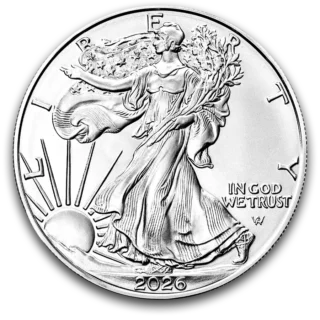
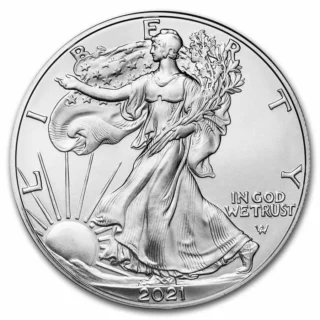
Compare the coin with official images from the United States Mint for its year. Check the lettering, the fine lines in Liberty’s gown and the eagle’s feathers, the date, and the edge. Make sure the reverse matches the year: coins from 1986 to mid-2021 have the heraldic eagle (Type 1); later coins have the landing eagle (Type 2). Our Type 1 vs Type 2 guide shows the difference.
5. Listen to it
Balanced on a fingertip and tapped with another coin, silver gives a clear, long ring. Base metals sound dull. This test is useful but subjective, so use it alongside the others.
6. When in doubt, ask a professional
A local coin shop can test a coin with an XRF analyser, which reads its metal content without damaging it.
Buy from a seller you can check
The simplest protection is buying from a dealer whose business details are real and published: a working phone number, an email address on its own domain, a physical address, and clear return and shipping policies. Be cautious with prices well below spot; no honest seller can sell silver for less than its market value for long.